B2B lead generation often looks perfect. You produce highly qualified leads, schedule demos, even hear a verbal “yes.” Then silence follows.
No replies. No next steps. Just ghosting.
If you have worked in B2B lead generation, you have felt this sting. Your leads are not uninterested, your process is not designed to keep momentum.
The truth is simple: great leads rarely die suddenly, they fade because of neglect, bad timing, or weak systems.
Most teams blame “bad leads,” but the real problem in B2B lead generation is process decay.
A strong structure turns average leads into customers, while a weak one lets even perfect fits drift away.
B2B buyers juggle many priorities. If you are not staying relevant and visible, you disappear from their radar. Each delay or generic email moves you lower on their list.
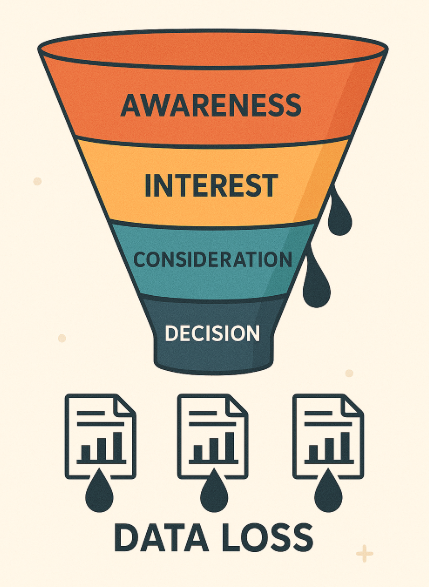
Your funnel is not broken, it is leaking at every stage. Leaks quietly destroy conversion rates.
Research from InsideSales shows that half of all buyers choose the first vendor to respond. Wait a day, and you lose them.
Speed-to-lead is not optional; it is oxygen for B2B lead generation.
If your nurturing relies on one-size-fits-all drip emails, prospects tune out. They want relevance, not reminders.
Without a clear scoring model, your team wastes time on cold names instead of focusing on high-intent buyers.
When sales and marketing define “qualified” differently, warm leads vanish in the confusion. The result is poor timing, mixed messaging, and a fridge full of cold prospects.
Measure your average response time from form submission to first contact. Anything beyond five minutes reduces conversions sharply.
Ask whether you deliver value or noise. Effective B2B lead generation emails answer questions buyers might actually ask online.
Do not send leads to sales based only on downloads. Track intent signals such as webinar attendance or repeated visits to ROI content.
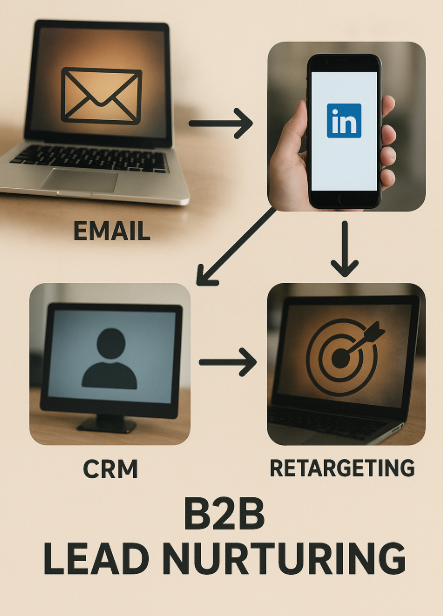
Decision-makers often need five to seven touches before responding. Use email, LinkedIn, and retargeting ads together for steady contact.
Tools that personalize subject lines and case studies by industry increase relevance. B2B lead generation is not about volume, it is about meaningful engagement.
Stop treating every lead equally. Define what separates a marketing-qualified lead from a sales-qualified one, then automate handoffs at the right point.
CRMs such as HubSpot or Salesforce can trigger follow-ups based on behavior, for example visits or inactivity.
Platforms like 6sense, Demandbase, and Clearbit reveal who is researching your product category so outreach happens while intent is high.
Avoid “Just checking in.” Instead, re-engage with value.
“Hi [Name], we just released a case study on [Problem]. Thought you might find it useful.”
Every touchpoint should give, not grab. Share webinars, data, or insights that naturally warm leads.
Some leads will not return. If they stay silent for more than six months, archive them. B2B lead generation works best when energy stays on engaged prospects.
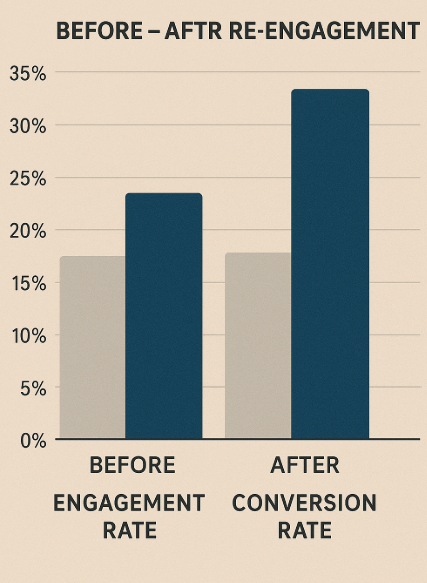
A SaaS firm reactivated 800 inactive leads through personalized re-engagement campaigns.
Results after 90 days:
They did not need new leads, only new discipline within their B2B lead generation process.
Cold leads are not failures, they are missed opportunities. By improving response time, strengthening nurturing, and scoring leads by intent, B2B lead generation turns silence into momentum.
Warmth in marketing is not luck, it is system design.
Q1. Why do good B2B leads stop responding?
They are not followed up quickly enough, or your messaging loses relevance.
Q2. How long should you wait before following up again?
Within 24 hours first, then every 3 to 5 days with fresh value content.
Q3. What is the best way to nurture cold leads?
Offer insights, data, and ROI content tailored to their industry.
Q4. How can I improve my lead scoring model?
Combine behavioral data such as visits and engagement with firmographics.
Q5. Which tools help prevent leads from going cold?
HubSpot, Outreach, 6sense, and Demandbase manage automated yet personalized follow-ups.
Q6. Should I automate follow-ups or keep them manual?
Use automation for consistency, but personalize messages for impact.
Book a free strategy call here and let’s help you streamline your messaging and follow-up to ensure no leads ghost you.
