Which lead generation channels produce the most qualified B2B buyers today? This question gets asked constantly, yet most answers fall into the same trap: channel worship.
One camp swears by inbound. Another insists outbound is the only thing that works. Others point to paid ads, LinkedIn, partnerships, or events. The problem isn’t the channels themselves — it’s how they’re evaluated.
Qualified B2B buyers don’t come from “best” channels. They come from channels that align with authority, relevance, and timing. This article compares the major options without bias and explains when each one actually works.
Most channel debates focus on surface metrics:
These metrics feel objective, but they rarely correlate with deal quality.
A channel that produces fewer leads can outperform one with massive volume if the buyers are more informed, more urgent, and better aligned. To understand which lead generation channels produce the most qualified B2B buyers today, we need to redefine what “qualified” really means.
In B2B, a qualified buyer is not just someone who responds. They are someone who:
Quality shows up downstream — shorter sales cycles, fewer objections, higher close rates. Any channel that consistently produces those outcomes deserves attention.
Instead of asking which channel is best, operators ask better questions:
With that lens, the differences between channels become clear.
Inbound content remains one of the strongest answers to which lead generation channels produce the most qualified B2B buyers today — when done correctly.
Content attracts buyers who are already problem-aware. SEO-driven leads often arrive educated, with specific questions, and a clear sense of urgency.


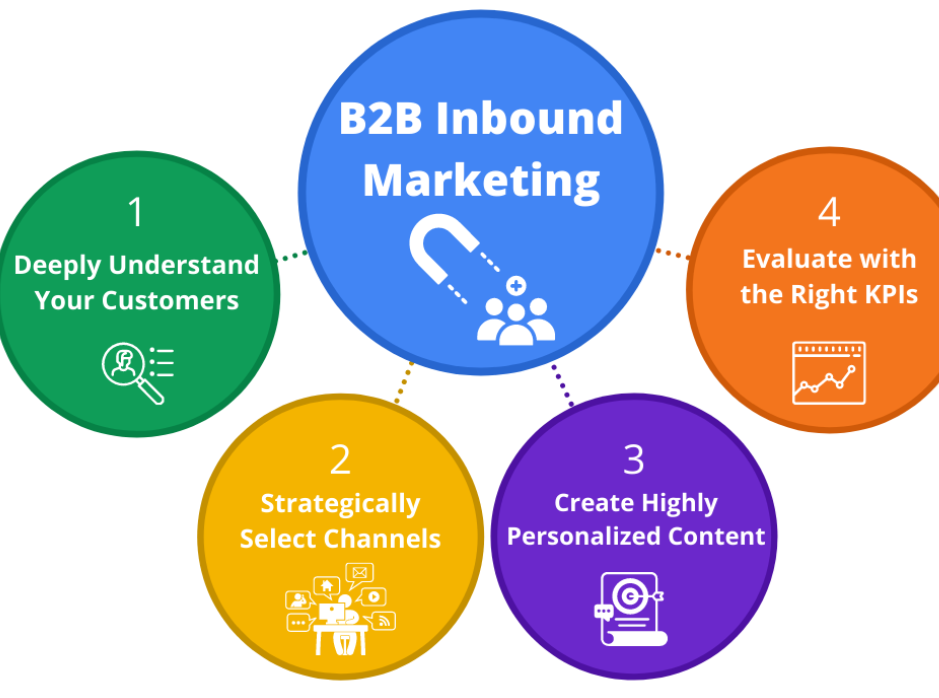
Inbound works best when:
Poor content produces poor leads. Strong content compounds into a predictable, high-quality pipeline over time.
Paid channels capture demand quickly, but quality varies widely.
Search ads can perform well because they intercept buyers already looking for solutions. Display and social ads tend to be weaker unless targeting and messaging are extremely precise.


Paid media struggles when:
Paid works best as an amplifier of a strong positioning strategy, not a replacement for it.
Social platforms are often misunderstood. They rarely produce immediate demand, but they excel at shaping perception.
LinkedIn works when leaders share real insights, not promotional noise. It builds familiarity, credibility, and trust over time.
Outbound works best when:
Without these factors, outbound produces conversations, not conversions.
Partnerships often produce the highest-quality B2B buyers — but at limited scale.
Referred buyers arrive with built-in trust. They convert faster and object less. The downside is predictability and volume.
This channel works best as a supplement, not a foundation.
The most qualified B2B buyers typically come from a layered system:
No single channel wins alone. Systems outperform tactics.
Channels that align with authority, relevance, and timing — especially inbound content, search, and referrals.
Inbound tends to produce more educated buyers, while outbound works best as a precision tool.
Yes, when paired with strong positioning and high-intent targeting.
Because buyer context, problem awareness, and authority differ by market.
Start with one core channel, then layer others to support it.
Chasing volume instead of buyer readiness.
So, which lead generation channels produce the most qualified B2B buyers today? The answer isn’t a single channel — it’s alignment.
Channels don’t create quality. Systems do. When authority is clear, relevance is sharp, and timing is respected, multiple channels can produce excellent buyers without being worshipped.
This comparative view is what separates operators from tacticians.
Book a time here to evaluate how we can assist.
